ومع ذلك، تواجه هذه الاندفاعة السياسية تعقيدات دستورية وقانونية شائكة. فبينما يستند القصر الجمهوري في شرعية هذا التفاوض إلى المادة 52 من الدستور، التي تمنح رئيس الجمهورية صلاحية تولي المفاوضات في عقد المعاهدات الدولية تبرز إشكالية قانونية تتعلق بطبيعة الطرف الآخر إذ تُصنف إسرائيل في العقيدة الدستورية والقانونية اللبنانية كـ "دولة عدو
Masdar Diplomacy
By Marlene Khalife
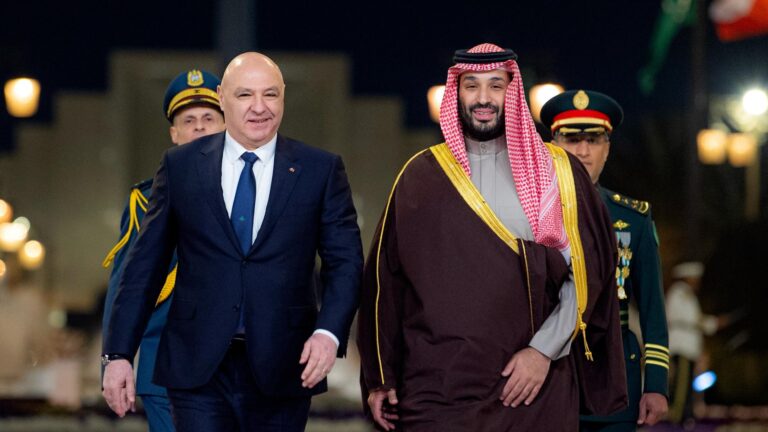
Diplomatic engagement between Beirut and Tel Aviv has entered an unprecedented and decisive phase, following the official statement issued Friday evening by the Presidential Media Office, which formally announced the launch of mediation led by the U.S. State Department, based on an initiative put forward by President General Joseph Aoun.
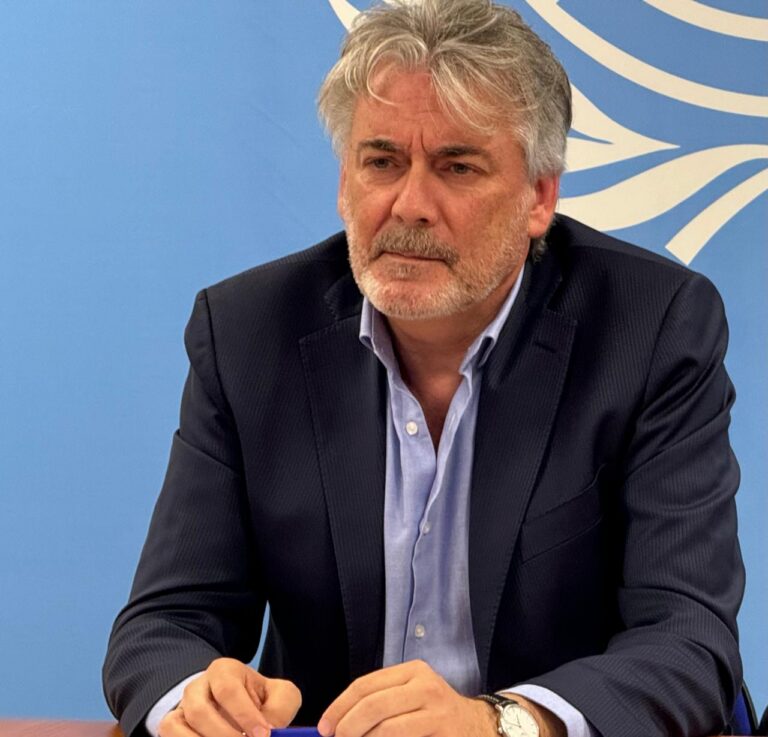
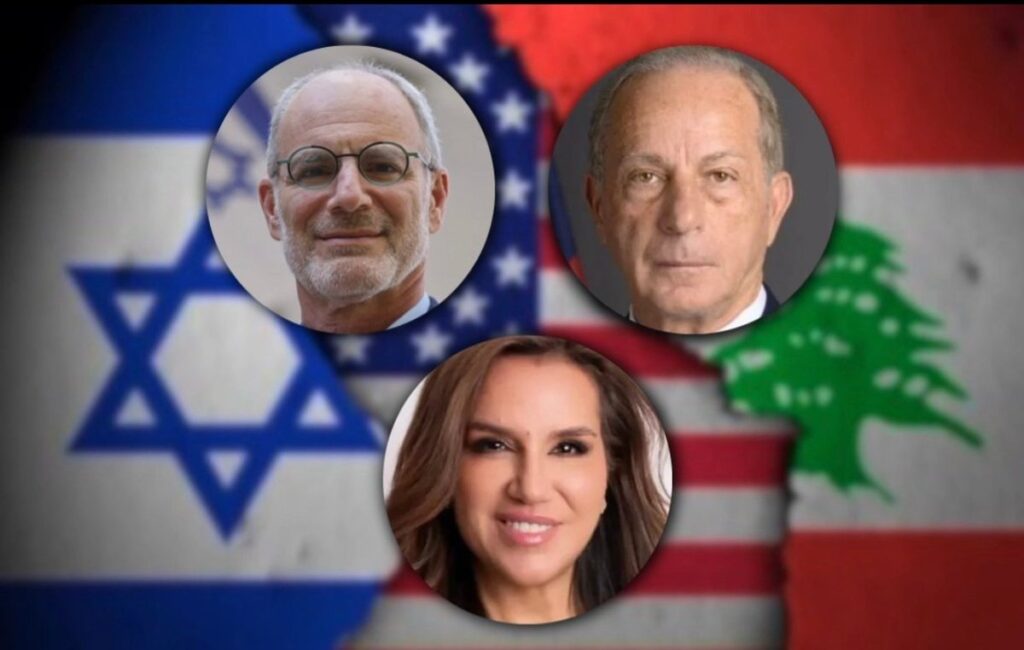
This development was marked by the first direct phone call between Lebanon and Israel, conducted via their respective ambassadors in Washington, Nada Hamadeh Mouawad and Yechiel Leiter, with the participation of U.S. Ambassador Michel Issa.
The call resulted in an agreement to hold a first official meeting next Tuesday at the U.S. State Department to discuss a ceasefire and define the framework for negotiations.
This diplomatic breakthrough reflects a strategic direction driven by Washington, with the full backing of Lebanon’s political leadership.
Its primary objective is to “separate the Lebanese track” from the negotiations that began Saturday in Pakistan between Iran and the United States. Tehran insists that any comprehensive ceasefire must include Lebanon, while Israel is attempting to pull the الملف under its own umbrella—and that of the United States—into a track that will not be easy, either externally or within Lebanon.
The United States, through Ambassador Michel Issa, is leading efforts to sever the organic link between the Lebanese file and Iran. This initiative, directly managed by the U.S. State Department, seeks to establish the “Lebanese track” as an independent channel, separate from the ongoing negotiations between Washington and Tehran in Pakistan.
Within this shift, a notable official Lebanese stance has emerged, characterized by a desire to reclaim sovereign decision-making in the negotiation process—despite the reality that a ceasefire in Lebanon traditionally depends on consolidating leverage. Available indicators point to a firm Lebanese refusal to allow Iran to act as the negotiating party or authorized representative for a ceasefire in Lebanon.
Washington is working to replicate what is known as the “Pakistan model” in the Lebanese context—a model based on gradual de-escalation leading to comprehensive negotiations. This mechanism begins with high-level logistical coordination led by the Lebanese ambassador in Washington and her Israeli counterpart, whose roles are limited to managing the “coordination tempo,” without holding substantive negotiating authority.
Should the U.S. mediator succeed in securing a preliminary ceasefire agreement, the process would immediately transition into a temporary truce phase, paving the way for direct negotiations between the two countries. To this end, the names of the Lebanese technical and diplomatic delegation formed by President Joseph Aoun have begun to emerge, including former minister Simon Karam, Ambassador Abdel Sattar Issa, Secretary-General of the Ministry of Foreign Affairs, and a third figure yet to be finalized, pending activation of their roles once the diplomatic “zero hour” is declared.
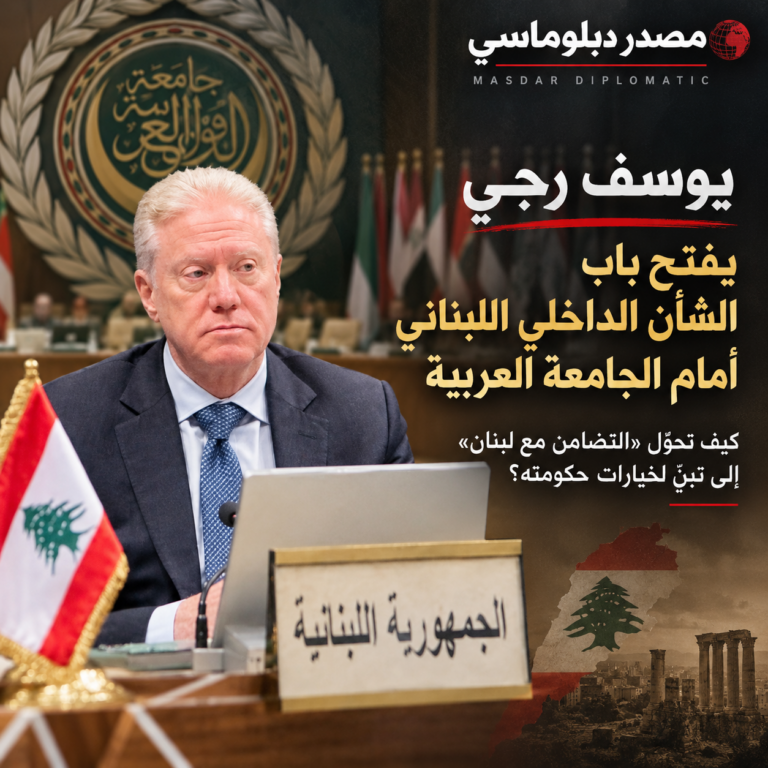
However, this political momentum faces complex constitutional and legal challenges. While the Presidential Palace bases the legitimacy of these negotiations on Article 52 of the Constitution—which grants the President authority to negotiate international treaties—a legal dilemma arises from the nature of the counterpart, as Israel is classified in Lebanese constitutional and legal doctrine as an “enemy state.” This contradiction places the political leadership before the challenge of crafting “understandings” that fall short of formal normalization agreements, yet still ensure a cessation of hostilities and the resolution of border disputes.
Despite the clear alignment between the U.S. vision and the Lebanese leadership’s desire to “Lebanonize” the negotiation process, a major strategic gap remains—namely, the “reality of the battlefield.” The core issue that will ultimately assert itself lies in the fact that military power on the ground, represented by Hezbollah, will have the final say. The disconnect between the political track and field developments risks colliding with the reality that no paper agreement will be implementable unless it aligns with the balance of power shaped by direct confrontations.
Lebanon is attempting to redefine its negotiating position as a sovereign actor, driven by the momentum of U.S. diplomacy and endorsed by the political leadership in Beirut. Yet the success of this path remains contingent on bridging the gap between diplomatic ambitions and battlefield realities. A critical factor must not be overlooked: Tehran remains a key strategic pressure card in this equation, retaining the capacity to reshape regional and international dynamics through the leverage of the vital Strait of Hormuz.