اليوم، يخرج نتنياهو ليزعم أنه "استجاب" لطلبات الحكومة اللبنانية المتكررة بالتفاوض المباشر. هذا التحول ليس "صحوة ضمير" ولا رغبة في السلام، بل هو "طوق نجاة" سياسي؛ فقد نجح نتنياهو بالالتفاف على مفاوضات باكستان عبر رده المتأخر 40 يوماً على ما طرحته الحكومة اللبنانية من تنازلات وصلت حد القبول بالتفاوض المباشر. تلك الأربعون يوماً لم تكن وقتاً ضائعاً في السياسة، بل كانت مهلة دموية قتلت فيها "إسرائيل" آلاف اللبنانيين ودمرت قرى بأكملها، ليدخل نتنياهو طاولة المفاوضات فوق جثث الضحايا وركام المنازل.
Masdar Diplomacy
By Marlene Khalife:
As attention turns to Pakistan’s capital, Islamabad, where threads of a potential regional de-escalation between Washington and Tehran are expected to be woven tomorrow, Saturday, a new Israeli maneuver has emerged—one designed to circumvent any genuine ceasefire in Lebanon. While the U.S. State Department has announced that it will host “direct” negotiations between Lebanon and Israel next week in Washington, it appears that Israeli Prime Minister Benjamin Netanyahu has mastered a “division of roles” strategy with the U.S. administration, transforming his long-standing refusal to negotiate into a calculated and booby-trapped “response” aimed at isolating Lebanon from its regional protective umbrella.
From Arrogant Rejection to Deceptive “Compliance”
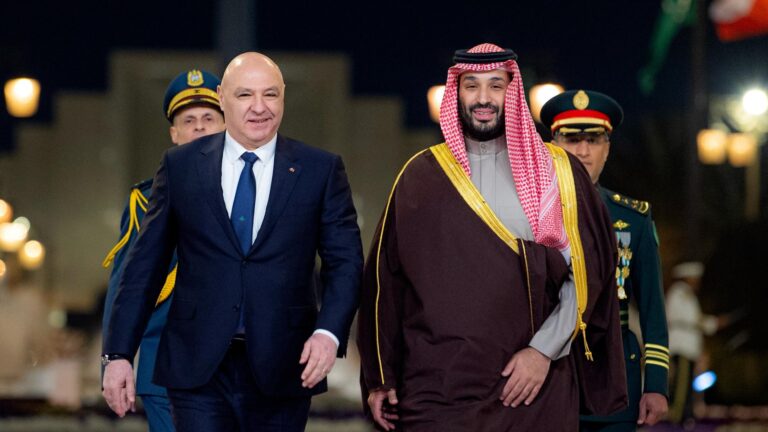
For more than forty days, Netanyahu turned a deaf ear to Lebanese initiatives. Despite technical and political proposals advanced by Lebanese President Joseph Aoun—including his notable address to the diplomatic corps calling for the peaceful resolution of border disputes—the Israeli response remained one of either disregard or escalation.
Today, Netanyahu claims he has “responded” to repeated Lebanese requests for direct negotiations. This shift is neither a moral awakening nor a genuine desire for peace; rather, it constitutes a political lifeline. By delaying his response for forty days to proposals that included Lebanon’s acceptance of direct talks, Netanyahu has effectively sidestepped the Pakistan track.
Those forty days were far from idle in political terms—they were soaked in blood. During this period, Israel killed thousands of Lebanese civilians and razed entire villages, only for Netanyahu to arrive at the negotiating table atop the bodies of victims and the rubble of homes.
Decoupling from the “Islamabad Track”
Available indicators suggest that the U.S.-Israeli plan primarily aims to provide Washington with a pretext in its dealings with the Iranian negotiator in Pakistan. While Tehran insists that a ceasefire in Lebanon is a fundamental condition tied to all its negotiation tracks, Netanyahu’s “new” position offers the United States a justification to argue that “a negotiation track is already underway between Beirut and Tel Aviv, and there is no need to include Lebanon in the U.S.-Iran talks.”
This “geographical and political decoupling” seeks to deprive Lebanon of regional leverage, leaving it alone in the face of Israel’s military machine under the banner of “negotiating under fire.”
A Recipe for Internal Strife: “Disarmament” as a Precondition
Netanyahu is not merely imposing negotiations amid ongoing airstrikes; he is also attempting to predetermine their outcome. His declaration that talks will center on the “disarmament of Hezbollah” amounts to a clear admission that he seeks to achieve through diplomacy what his army failed to accomplish through two successive wars and hundreds of destructive raids since September 2024.
According to well-informed sources familiar with Hezbollah’s internal climate, this condition represents “a ready-made recipe for internal discord.” Netanyahu, they argue, is effectively shifting the burden of Israel’s military failure onto the Lebanese government, demanding that it confront the المقاومة (resistance) on his behalf.
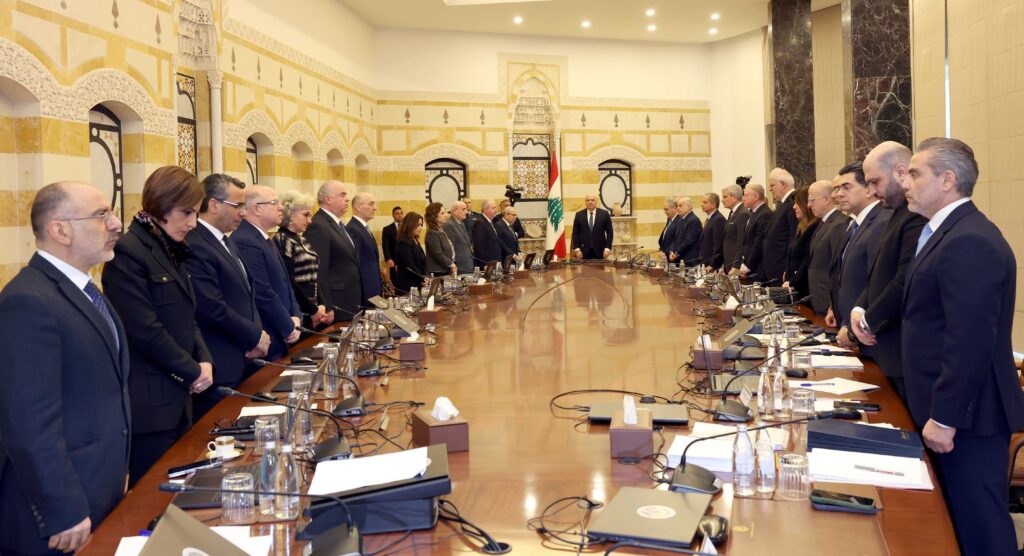
The same sources level sharp criticism at the Lebanese government—described as the Aoun–Salam administration—arguing that its appeal for negotiations while airstrikes continue to pound Beirut and the south amounts to “political suicide.” They add: “Negotiating under fire, if not rejected by the government, will make it responsible for every drop of blood shed from this moment onward. The government has given Netanyahu an opportunity to evade commitment to a genuine regional ceasefire, granting him more time to kill Lebanese civilians and occupy their land.”
More troubling still, they argue, is the government’s decision to go to Washington “stripped” of any leverage. Having in some instances labeled the resistance as “outside the law,” it has effectively adopted a disarmament agenda starting from the capital, Beirut—a move these sources describe as a “grave mistake” that removes Lebanon from a posture of resilience and places it on a path toward full submission to Israeli terms.
Peace or Capitulation?
While U.S. President Donald Trump speaks of “optimism” regarding a potential agreement with Iran, and British Prime Minister Keir Starmer describes the attacks as “unacceptable,” the reality on the ground in Lebanon remains the only undeniable truth: 300 civilian deaths in a single day, more than 1,500 wounded, relentless airstrikes—and negotiations in Washington conducted under the shadow of bombers.