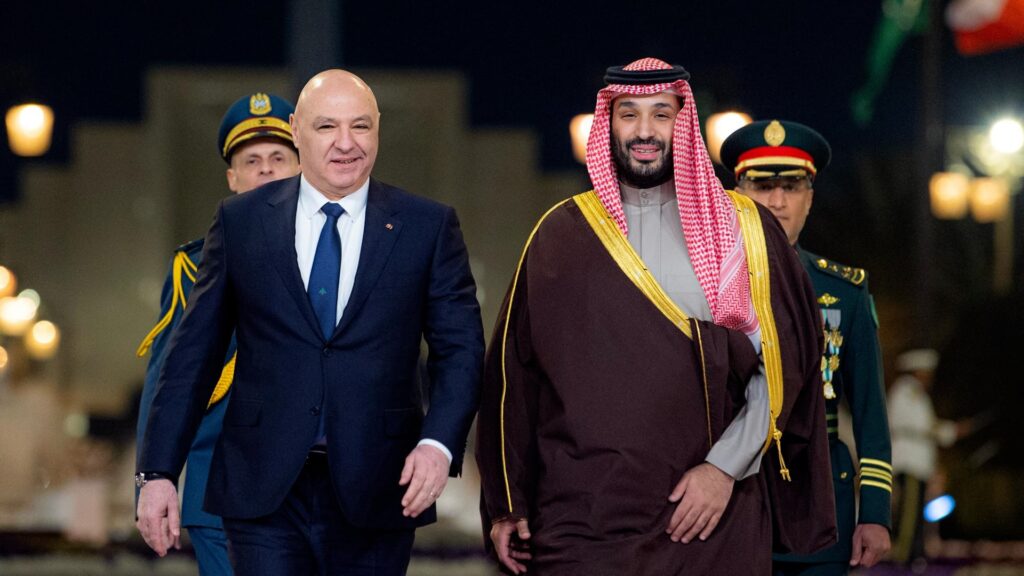
تشير النصيحة السعودية المصرية للرئيس جوزيف عون إلى أن الشرط الأساسي لأي نتيجة مستدامة هو التوافق الداخلي، وهذا التوافق لا يمكن تحقيقه إلا إذا كان الاتفاق المطروح لا يشكل تهديدًا وجوديًا لحزب الله وبيئته. وهذان الشرطان مترابطان: فالاتفاق القابل لتحقيق قبول داخلي هو ذاته الاتفاق الذي لا يرقى إلى مستوى السلام الرسمي، بل يتمثل في ترتيبات أمنية معززة على غرار القرار 1701 أو اتفاق الهدنة لعام 1949، تشمل تعزيز تفويض اليونيفيل بشكل قابل للتنفيذ، وإعادة انتشار تدريجية للجيش اللبناني جنوب الليطاني وفق مراحل محددة، وآلية انسحاب إسرائيلي تدريجية مرتبطة بالمؤشرات نفسها. ويبقى السؤال الحاسم: هل إسرائيل، بعد أحداث ما بعد أكتوبر 2023، مستعدة للعودة إلى هيكل أمني يشبه إلى حد كبير الوضع السابق للحرب؟
Masdar Diplomacy
By Marlene Khalife
A Saudi–Egyptian piece of advice to President Joseph Aoun is emerging as the most realistic framework for any viable settlement in Lebanon, yet it has so far received little media attention domestically.
According to well-informed, politically neutral sources familiar with the international climate, the advice rests on two pillars. First, any sustainable path must necessarily go through consensus with Hezbollah rather than its exclusion. Second, pursuing a comprehensive peace agreement with Israel at this stage is not considered acceptable from a Gulf perspective.
The Saudi–Egyptian approach stands out as a key guiding reference for Lebanon’s trajectory and reflects a strategic reading of regional power balances and their practical limits. In this context, the advice delivered to President Aoun forms the central anchor of any workable scenario.
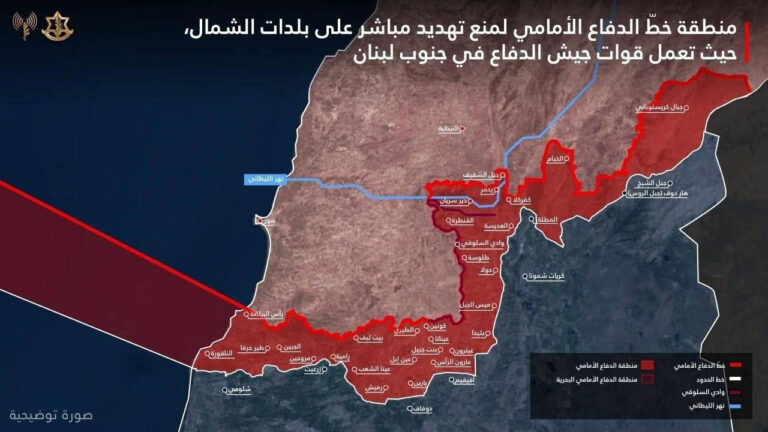
It underscores that the essential condition for a durable outcome is internal consensus—one that cannot be achieved unless any proposed arrangement with Israel does not pose an existential threat to Hezbollah and its support base. These two conditions are interlinked. An agreement capable of securing domestic acceptance would, by definition, fall short of formal peace. Instead, it would take the form of reinforced security arrangements, akin to UN Security Council Resolution 1701 or the 1949 Armistice Agreements. Such arrangements would include a strengthened and enforceable mandate for UNIFIL, a phased redeployment of the Lebanese Army south of the Litani River, and a gradual Israeli withdrawal tied to the same benchmarks.
The key question remains whether Israel, in the aftermath of the post-October 2023 developments, is prepared to return to a security framework broadly resembling the pre-war status quo.
This strict definition of sustainability is not arbitrary. It is grounded in structural constraints that shape the real parameters of diplomatic movement and redefine what is realistically achievable.
The most notable shift lies in the emergence of a regional consensus, led by Egypt and Saudi Arabia, that maximalist scenarios—namely, the disarmament of Hezbollah and the conclusion of a comprehensive Lebanese–Israeli peace treaty—are no longer attainable objectives. This assessment reflects two interacting factors: Iran’s residual strength following the April 8 ceasefire, and the near certainty that any attempt to impose such outcomes on Lebanon’s fragile sectarian structure would trigger internal conflict rather than stability.
This shift cannot be understood in isolation from the nature of the still-incomplete U.S.–Iran understanding. The ceasefire, mediated by Pakistan, did not compel Tehran to make substantive concessions, allowing it to retain key elements of strategic deterrence. These include enriched nuclear stockpiles, residual missile capabilities, and a regional network of proxies—among which Hezbollah remains the most operationally effective, despite the strain it has endured.
The confrontation also highlighted Iran’s ability to deploy unconventional escalation tools, including threats to close the Strait of Hormuz, while maintaining additional pressure levers that have yet to be used.
Gulf Strategy: Managing, Not Confronting, Iran
For the Gulf Cooperation Council states, and in the absence of a decisive rollback of Iran, the strategic calculation is shifting toward managing engagement with Tehran. This involves accepting defined red lines, advancing gradual economic normalization, and seeking to contain rather than dismantle Iranian influence. This shift directly impacts Lebanon’s negotiating margin.
As Gulf states move forward in their engagement with Iran, regional tolerance for Lebanese positions that challenge Iran’s core interests—including the continued role of Hezbollah as an armed political actor—diminishes. Each Gulf concession to Tehran in pursuit of regional stability structurally narrows Beirut’s room for maneuver.
Within this framework, an unstable Lebanon becomes a direct burden on Gulf strategic interests. Riyadh’s ability to incorporate a “Lebanon package” into its engagement with Tehran depends on Lebanon remaining a manageable case rather than an open conflict arena. A Lebanese civil war—likely to result from any serious attempt to impose Hezbollah’s disarmament or to conclude a formal peace with Israel—would render such a package unworkable and undermine Saudi de-escalation efforts.
The Syrian dimension further reinforces this constraint. The post-Bashar al-Assad phase, into which Gulf states have invested heavily, is highly sensitive to instability spilling over from Lebanon. Any sectarian escalation there would directly threaten Gulf interests in Syria.
Accordingly, structural deadlock over core security issues appears deeply entrenched. Each side remains committed to its maximalist ceiling: Israel links any withdrawal to Hezbollah’s disarmament, while Hezbollah rejects any arrangement that does not include full Israeli withdrawal and guarantees for the return of displaced populations. This equation effectively reproduces a pre–October 7 balance, albeit within a more constrained regional environment.
The situation is further complicated by the absence of an agreed framework to resolve outstanding operational issues, including the status of Israel’s security zone, the role of UNIFIL, and the conditions governing the Lebanese Army’s deployment south of the Litani.
Within this closed equation, a central conclusion is taking hold in diplomatic circles: maximalist goals are no longer achievable in the foreseeable future. The only realistic approach lies in pursuing sustainable security arrangements that fall short of comprehensive peace but reduce the risk of renewed confrontation, gradually strengthen the Lebanese state’s presence in the south, and lay the groundwork for a long-term restoration of sovereignty.
Such a settlement, while falling short of resolving Lebanon’s structural crisis, would preserve the minimum level of stability necessary to keep the country within the realm of manageable solutions.



![اجتمعت اليوم السبت قرابة 400 عائلة مسيحية نزح أفرادها من الجنوب اللبناني بدعوة من جمعية “ريد إن سيركل” [ريكا] في نشاط رعائي حمل عنوانًا وجدانيًا عميقًا: “من قلبي سلام للجنوب” وذلك في مركز "لقاء" في الربوة.](https://masdardiplomacy.com/wp-content/uploads/2026/04/Rabwe-2.jpg)